
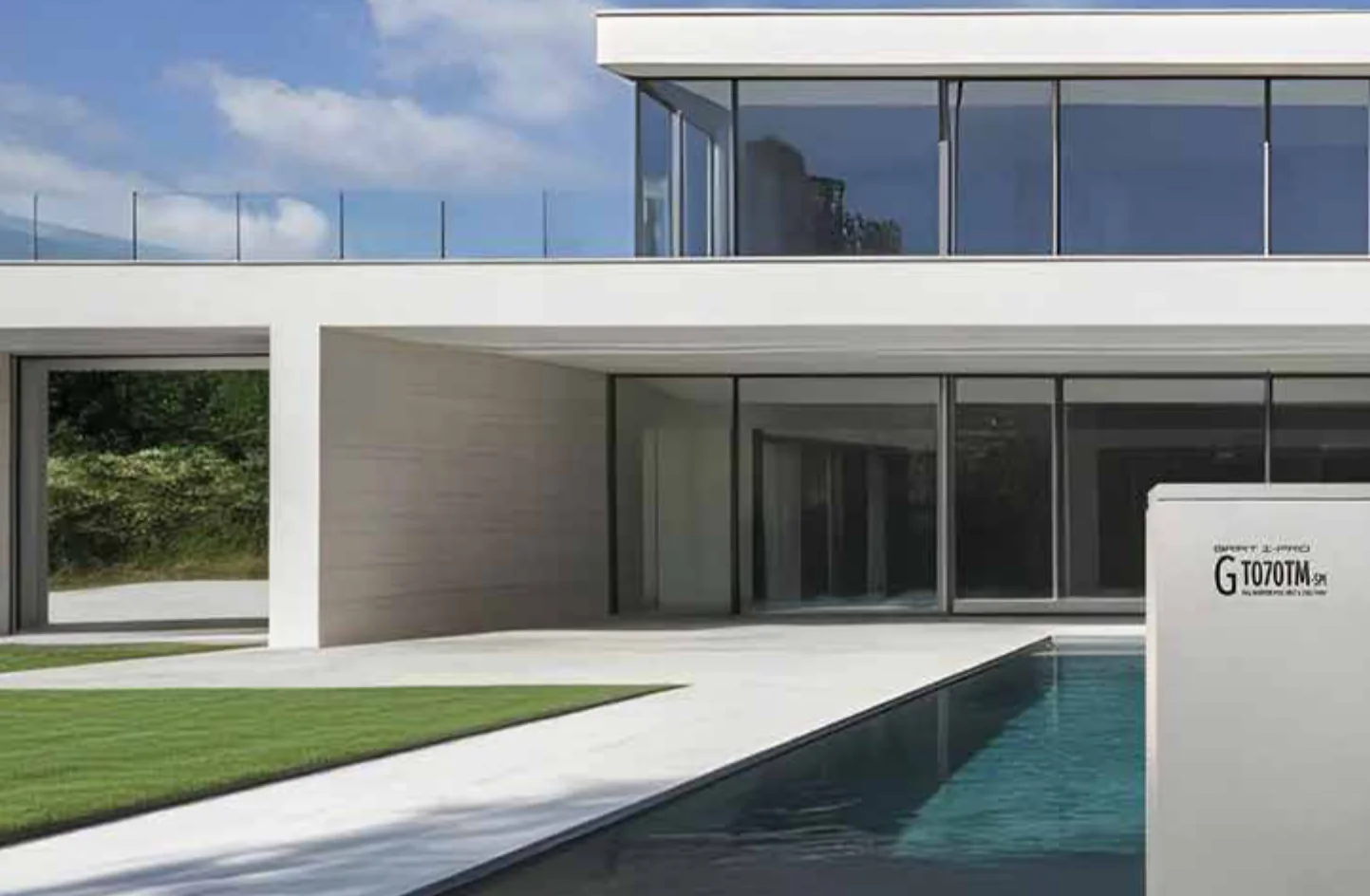
A heated pool is the difference between swimming three months a year and swimming ten. This complete guide explains how swimming pool heating works in Egypt, the three main systems and what each costs to run, how to size a system correctly, and how to choose the right one for a villa, compound, hotel, or club — so you can make a confident, informed decision.
Why heat your pool in Egypt?
Egypt's climate is generous, but without heating a pool sits cold and unused from roughly November through March, and even in the shoulder seasons cool evenings cut every swim short. A correctly sized heating system holds the water at a comfortable 27–29 °C right through winter — turning a seasonal luxury into a year-round amenity. For families that means the pool earns its keep all year instead of sitting idle half the time; for hotels, compounds, and clubs it means guests and members keep coming back through the cooler months.
How swimming pool heating works
Every pool heating system works on the same loop: the pool's circulation pump draws water from the pool, pushes it through the heater, and returns the warmed water to the pool. The heater raises the temperature a few degrees on each pass, and over several hours the whole body of water reaches the target temperature. A thermostat then keeps it there, topping up only the heat lost to the air and the pool surface. The difference between systems is simply how they generate or move that heat — and that difference decides your running cost.
The three ways to heat a pool
1. Pool heat pumps (inverter)
The most popular choice for year-round heating, and the most economical to run. A pool heat pump doesn't generate heat directly — it pulls warmth from the surrounding air and transfers it into the water, using electricity only to run the compressor and fan. Because it moves existing heat rather than creating it, it delivers roughly 4–5 units of heat for every unit of electricity it consumes. That efficiency makes it the cheapest option to operate by a wide margin, ideal for villas, compounds, and anyone swimming through the winter. Inverter models adjust their output to demand, running quietly and sipping power once the pool is at temperature.
Inverter vs on/off heat pumps
Not all pool heat pumps are equal. A basic on/off unit runs at full power or not at all, cycling to hold temperature. A full-inverter heat pump varies its compressor speed to match demand — running gently and quietly once the pool is warm, using noticeably less electricity, and reaching temperature with less strain on the compressor. Inverter models cost more upfront but pay back through lower running cost and longer life, which is why they're the preferred choice for pools used regularly through the season.
2. Gas pool heaters
The fastest, highest-output option. A gas heater burns natural gas (or LPG) to heat large volumes of water quickly, regardless of the outside temperature — it doesn't rely on warm air the way a heat pump does. That makes it the go-to for big pools, hotels, and clubs that need the water hot on demand, or for pools used only occasionally where fast heat-up matters more than running cost. The trade-off is that it burns fuel every hour it runs, so its running cost is higher than a heat pump's.
3. Electric resistance heaters
Simple and low-cost to install, but the most expensive to run because they convert electricity directly to heat one-for-one (no multiplier like a heat pump). They suit small pools, plunge pools, and spas, or serve as a fast-response backup alongside a heat pump. For a full-size villa pool used regularly, electric resistance heating is rarely economical.
Heat pump vs gas vs electric — the honest comparison
Each technology wins in a different situation:
- Choose a heat pump if running cost matters most and you want to swim year-round — the cheapest to operate and the most energy-efficient, with a higher upfront cost that the savings recover within a couple of seasons.
- Choose gas if you have a large or commercial pool, need to heat up fast, or want reliable high temperatures on the coldest days — accepting a higher running cost for the speed and power.
- Choose electric for a small pool or spa where the upfront cost is the priority and running hours are limited.
There's no single "best" system — only the best one for your pool, how you use it, and your running-cost priorities.
The heat pump advantage: where the savings come from
Because a pool heat pump transfers heat rather than generating it, its running cost is typically 60–75% lower than direct electric heating and comfortably below gas over a full season. Its efficiency is measured by COP (coefficient of performance): a COP of 5 means 5 kW of heat delivered for every 1 kW of electricity drawn. Egypt's mild winters actually help here — the warmer the air, the higher the COP, so a pool heat pump runs efficiently through most of the swimming season. Modern units operate down to around 5 °C ambient, which covers Egypt's coldest days, and the same unit can often reverse to cool the pool slightly in peak summer. For year-round pools, that combination of low running cost and dual-season use is why the heat pump is usually the smartest long-term investment.
What about solar pool heating?
Solar pool heating uses roof or ground collectors to warm the water using the sun, with very low running cost once installed. It sounds ideal, but it has real limits in practice: it only heats when the sun is out, its output drops on cloudy or cold days — exactly when you need heat most — and it needs significant roof or ground area. In Egypt it works best as a summer or shoulder-season assist, not as a reliable primary system for year-round swimming. For dependable winter heat, a heat pump delivers far more consistent performance for the space and investment, which is why most serious year-round pools rely on a heat pump rather than solar.
Getting the size right
Sizing is the single biggest factor in a system that performs and pays for itself. An undersized heater never reaches your target temperature on cold days; an oversized one wastes money. Proper sizing is a heat-load calculation, not a guess, and it depends on:
- Surface area and volume of the pool — most heat is lost from the surface, so surface area often matters more than depth.
- Target temperature and how many degrees above ambient you need to hold.
- Indoor vs outdoor and wind exposure — an exposed, windy outdoor pool (North Coast, rooftop) loses far more heat.
- Season length — heating only for shoulder months needs less capacity than holding temperature through deep winter.
- Whether a cover is used — a covered pool needs a dramatically smaller heater.
A rough rule of thumb is about 1 kW of heat pump capacity per 3–5 m³ of water, but the honest answer always comes from a proper calculation for your specific pool.
What temperature should you heat your pool to?
Most swimmers are comfortable between 27 and 29 °C. Around 28 °C is a common target for family pools — warm enough for relaxed swimming without feeling like a bath. Competitive and lap swimmers often prefer slightly cooler water (26–27 °C), while children, elderly users, and therapy pools may want it warmer (29–31 °C). Every extra degree costs energy — holding 29 °C uses noticeably more than 27 °C — so it's worth setting the lowest temperature that's genuinely comfortable for how you use the pool. A good thermostat holds your chosen temperature precisely and avoids the waste of overshooting.
Swimming pool heating cost in Egypt
Two costs matter: what the system costs to install, and what it costs to run. Installation depends on your pool's volume and the technology you choose. Running cost is where the systems differ most — and over a pool's life it's usually the bigger number. Because a heat pump moves existing heat rather than generating it, it cuts running costs dramatically compared with electric or gas, which is why it's the most economical choice for year-round use. Every pool is different, so the reliable figure comes from an itemised quote after a proper assessment — not a generic price.
The cheapest upgrade: a pool cover
One simple factor makes a big difference on any system: a pool cover. Most of a pool's heat escapes from the water's surface through evaporation, so covering the pool overnight sharply reduces heat loss — often cutting heating cost by 40–60%. A cover is frequently the fastest-paying single improvement you can make, and it lets you install a smaller, cheaper heater in the first place. Whatever heating system you choose, plan for a cover.
Heating commercial and large pools
Hotels, resorts, sports clubs, and semi-Olympic pools have different demands: larger volumes, longer operating hours, and a need for reliability that guests and members depend on. Commercial pools are often best served by high-output gas heaters (for fast, weather-independent heat), cascades of commercial heat pumps (for efficiency at scale), or a hybrid of both. The right design balances heat-up speed, running cost, and redundancy — a single approach rarely fits every commercial pool, which is why these projects start with an engineering assessment.
Heating a North Coast or Sahel pool
Coastal pools on the North Coast (Sahel) and in Sokhna face two challenges: strong wind exposure and a short but valuable shoulder season. Wind dramatically increases surface heat loss, so an exposed coastal pool needs either more heating capacity or — better — a cover to be economical. Many owners use pool heating to extend the Sahel season on both ends: warm swims in spring and autumn when the sea is still too cold, getting far more use out of a property that otherwise sits empty most of the year. Because coastal pools lose heat faster, correct sizing and a cover matter even more here than inland.
Saltwater and chlorinated pools
Modern pool heaters are built for both chlorinated and saltwater pools. Quality heat pumps and gas heaters use titanium or cupro-nickel heat exchangers that resist corrosion from salt (typically up to around 4,500 ppm) and pool chemicals. If you have — or plan — a saltwater pool, simply confirm saltwater compatibility when selecting the equipment; reputable pool heat pumps are designed for it.
Indoor and enclosed pools
Indoor and enclosed pools are far easier and cheaper to heat than open outdoor pools, because they're sheltered from wind and lose much less heat overnight — making year-round swimming very achievable. They bring one extra consideration: humidity. A heated indoor pool raises moisture in the air, so proper ventilation or dehumidification protects the building and keeps the space comfortable. When heating an indoor pool, the heating system is usually sized alongside the ventilation strategy so the two work together.
How to choose the right system
Work through these questions and the answer usually becomes clear:
- How often will you swim? Daily/year-round → heat pump. Occasional/fast heat-up → gas. Rare/small pool → electric.
- What's the pool size and setting? Large or commercial → gas or commercial heat pumps. Villa → inverter heat pump.
- Is running cost or upfront cost your priority? Running cost → heat pump. Upfront only → electric or gas.
- Is there a gas supply? Reliable gas availability makes a gas heater more practical.
- Will you use a cover? A cover lets you go smaller and cheaper on the heater itself.
When it's still unclear, a free site assessment settles it — engineers size the right system for your pool rather than sell you the biggest one.
Installation: what to expect
A good installation matters as much as the equipment. The heater is plumbed into the existing pool circulation loop (usually after the filter), wired or connected to gas, and fitted with a thermostat and safety controls. Heat pumps need clear airflow around the unit; gas heaters need proper ventilation and a compliant gas connection. Commissioning — setting the flow, thermostat, and run schedule — is what makes the system efficient in practice. Professional installation ensures the system is set up correctly the first time and performs to its rated efficiency.
Adding heating to an existing pool
You don't need a new pool to add heating — most existing pools can be retrofitted. Because the heater simply plumbs into the existing circulation loop after the filter, the pool itself doesn't need rebuilding. The main practical questions are: is there space and clear airflow for a heat pump (or ventilation and a gas line for a gas heater) near the pump room, is the existing circulation pump adequate, and does the electrical or gas supply have capacity? A quick site survey answers these and confirms the best system for your setup. For most villa and compound pools, adding an inverter heat pump is a straightforward upgrade that turns a summer-only pool into a year-round one.
Maintenance and lifespan
A pool heater is a long-term investment, and regular maintenance keeps it performing. Heat pumps need little more than a clean, unobstructed unit and occasional checks of the refrigerant circuit; gas heaters need periodic servicing of the burner and heat exchanger. Well-maintained heat pump compressors commonly last 15–20 years. Scheduled maintenance and genuine spare parts protect both the efficiency and the lifespan of the system.
Common mistakes to avoid
- Skipping the cover: the biggest, cheapest saving — leaving heat to evaporate overnight can double your running cost.
- Guessing the size: an undersized heater never reaches temperature; an oversized one wastes money. Always heat-load calculate.
- Choosing on upfront cost alone: a cheap electric heater can cost far more over a season than a heat pump that costs more to install.
- Ignoring wind and exposure: an exposed outdoor pool needs more capacity — or a cover — than a sheltered one.
- Poor installation: wrong flow or placement robs a good heater of its rated efficiency.
Frequently asked questions
Can I really heat my pool year-round in Egypt?
Yes. With a correctly sized heat pump or gas heater you can hold a comfortable swimming temperature right through the Egyptian winter.
Which is cheaper to run — a heat pump or a gas heater?
A heat pump, by a wide margin. It moves heat rather than burning fuel, so it delivers far more heat per unit of energy. Gas wins on speed and peak output, not running cost.
How much cheaper is a heat pump than electric heating?
Typically 60–75% cheaper to run, because a heat pump delivers 4–5 units of heat per unit of electricity while a resistance heater delivers just one.
Does a pool heat pump work in winter?
Yes. Modern pool heat pumps operate efficiently down to around 5 °C ambient — which covers Egypt's coldest days. Efficiency (COP) is higher in warmer weather, so it runs very economically through most of the season.
How long does it take to heat a cold pool?
A gas heater can raise a villa pool a few degrees in hours; a heat pump takes longer (a day or two from cold) but far more cheaply. Once at temperature, both only need to maintain it — a fraction of the initial heat-up cost. A cover speeds this up dramatically.
Do I need a pool cover?
Strongly recommended. Most heat escapes from the surface, so a cover greatly reduces heat loss and cuts running cost on any system — often the fastest-paying improvement you can make.
What size heat pump does my pool need?
As a rough guide, about 1 kW per 3–5 m³ of water, adjusted for target temperature, exposure, and whether you use a cover. A proper heat-load calculation gives the exact figure.
How much does pool heating cost?
It depends on your pool size and the system you choose. The reliable answer comes from an itemised quote after a free site assessment — no guesswork.
Do pool heat pumps work with saltwater pools?
Yes. Quality pool heat pumps use titanium or cupro-nickel heat exchangers that resist both chlorinated and saltwater — just confirm saltwater compatibility when choosing the unit.
Is an inverter heat pump worth the extra cost?
For a pool used regularly through the season, yes. Inverter models run quieter, use less electricity holding temperature, and last longer — the premium usually pays back through lower running costs.
Can I combine gas and a heat pump?
Yes — a hybrid setup uses the heat pump for economical everyday heating and gas for fast boosts or the coldest days. It's common for larger or commercial pools that need both efficiency and on-demand power.
What temperature should a pool be for swimming?
Around 27–29 °C suits most swimmers; 28 °C is a popular family target. Lower is cheaper to run, so set the lowest temperature that's comfortable for your use.
Can I add heating to an existing pool?
Yes — most pools can be retrofitted. The heater plumbs into the existing circulation loop, so the pool doesn't need rebuilding; a quick survey confirms space, power or gas supply, and pump capacity.
Does a pool heater run all the time?
No. It works hardest bringing a cold pool up to temperature, then only tops up the heat lost to the air and surface — much less energy, especially with a cover. Once at temperature, running cost drops sharply.
Is a heated pool safe and hygienic?
Yes. Heating doesn't affect water hygiene — your normal filtration and chemical treatment continue as usual. In fact, holding a stable temperature makes chemical balance easier to manage than a pool that swings hot and cold.
Ready to heat your pool?
The right system depends on your exact pool, how you use it, and your running-cost priorities. Book a free site assessment and our engineers will size the ideal system — heat pump, gas, or hybrid — and give you a clear, itemised quote, backed by expert installation and long-term after-sales support.