
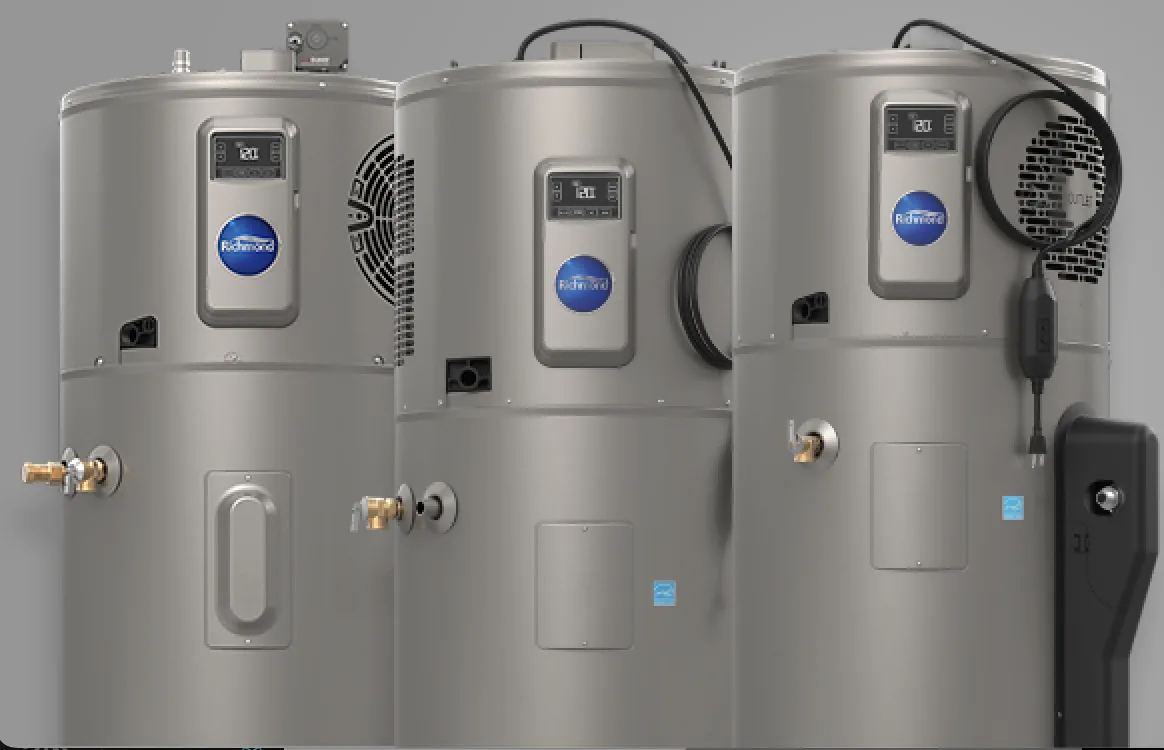
You have decided a heat pump water heater is the efficient, safe way to heat your water. The next question is the practical one: which size, and where does it go? Getting these right is what turns the technology's promise into real, daily savings. Here is a simple, no-jargon guide.
Step 1 — Match the tank to your household
A heat pump water heater stores hot water in an insulated tank, so the tank needs to hold enough for your family's busiest period — typically morning and evening showers close together. As a practical starting point for an Egyptian home:
| Household | Typical daily hot-water use | Suggested tank | Example model |
|---|---|---|---|
| 1–2 people / small apartment | Light | 85–120 L | Atlantic Calypso Access 85/120 |
| 2–3 people | Moderate | 150–180 L | Atlantic 150 / Richmond ODIN 180 |
| 3–5 people / family villa | Higher | 200–280 L | Heat Shift 200–250 / Richmond ODIN 280 |
| 5+ people / large villa | Heavy | 300 L | Heat Shift Hot Spring/Hot Spot 300 |
A useful rule of thumb is 40–60 litres of tank per person, adjusted up if you have multiple bathrooms used at the same time, a bathtub, or guests. When in doubt, size slightly up — a tank that is a little large simply means you never run out, while the efficient heat pump keeps the running cost low regardless.
Step 2 — Egypt's climate is on your side
One of the best things about installing a heat pump water heater in Egypt is that the climate suits it almost perfectly. Heat pumps draw heat from the surrounding air, so they work best in warm conditions — exactly what Egypt offers for most of the year.
The units Heatec supplies are rated for wide ambient ranges:
- Richmond ODIN: −7°C to 55°C
- Heat Shift: −7°C to 45°C
- Atlantic Calypso Access: 7°C to 43°C
Egyptian temperatures sit comfortably inside these ranges all year, even on a cold desert night or a cool North Coast morning. In the warm months, the abundant heat in the air lets the heat pump run at its highest efficiency. You will never be in a situation where the climate works against the unit — and the built-in electric backup covers any rare cold snap.
Step 3 — Pick the right installation spot
This is the one area where a heat pump needs a little more thought than a plain electric heater, because it breathes air. The unit pulls in surrounding air to harvest heat and blows out cooler air, so it needs a ventilated space, not a sealed cupboard.
Good locations include:
- A garage, store room, laundry room or service balcony — these spaces have spare air, and the cool, dry air the unit produces is a bonus (it gently dehumidifies the room).
- Anywhere with enough clearance around the unit for airflow, and close to the main hot-water draw-off points to reduce heat loss in the pipes.
Things to plan for:
- Airflow / ventilation: the room should not be tiny and sealed; the unit can also be ducted to draw or expel air where space is tight.
- A condensate drain: as the unit cools the air, a small amount of water condenses (a fraction of a litre per hour) and needs a simple drain.
- Floor and access: the tank is heavy when full, so a solid floor and room to service the unit are important.
- Power: a standard single-phase 220–240V supply with the correct circuit protection — no gas line needed.
For apartments where indoor space is limited, the compact Atlantic Calypso Access and its flexible ducted installation are often the easiest fit. For villas with a garage or service area, the larger Richmond and Heat Shift units sit comfortably.
Step 4 — Think about the features that matter to you
Beyond size and efficiency, a few features can shape the choice:
- Top temperature: if you want maximum stored hot water and strong anti-bacteria protection, Heat Shift (75°C) and Richmond (70°C) lead here.
- Dehumidification: for a humid or coastal home, Heat Shift Hot Spot turns the by-product cool air into a genuine comfort benefit.
- Smart control: all three brands offer Wi-Fi app control — schedule heating for off-peak hours, trigger a fast boost before guests arrive, or set holiday mode while away.
- Tank durability: Egyptian water can be hard, so the corrosion protection matters — Richmond's RHEEMGLAS enamel, Heat Shift's pulse-tested enamel, and Atlantic's magnesium anode are all built for long life. In hard-water areas, periodic servicing keeps efficiency high.
Step 5 — Let Heatec size it precisely
These guidelines get you most of the way, but the most accurate result comes from matching a unit to your actual hot-water demand, your installation space and your local conditions. Heatec's team can do this with you — recommend the right brand and tank size, confirm the installation spot and ventilation, and estimate the energy you will save versus your current heater — so your investment delivers the lower bills and reliable comfort the technology is built for.